
A Circular Solution: How EPR Could Finally Turn the Tide on Plastic Pollution

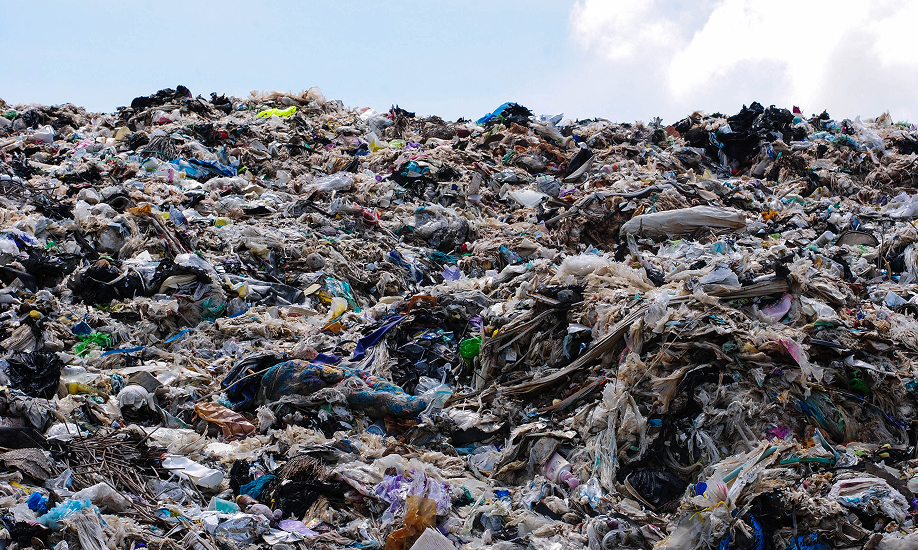
Plastic waste is piling up faster than our systems were ever meant to handle, exposing the limits of disconnected approaches and underinvestment across the recycling and waste system. The resulting waste pollutes ecosystems, burdens communities, and costs billions in cleanup each year.
In response, states across the country are beginning to adopt laws that make companies more responsible for the packaging waste they create—a policy approach known as Extended Producer Responsibility, or EPR. Seven states already have EPR laws on the books, offering important lessons about what works, what doesn’t, and what a harmonized national framework could look like.
The Rising Cost of Inaction
Today, roughly 130 million metric tons of plastic enter the environment every year. If we continue with business as usual, projections show plastic pollution could more than double by 2040, reaching 280 million metric tons annually—or the equivalent of a dump truck of plastic entering the environment every second.
The US can and should be a leader in addressing this challenge. And yet, only 5% of plastic in the US is currently recycled, while the country spends roughly $11.5 billion each year cleaning up waste that leaks into the environment. Existing systems are underfunded and were never designed to handle the scale and complexity of modern waste. Recycling systems are not working well for anyone right now—not for individuals trying to sort waste correctly, not for local governments struggling with rising costs, and not for businesses trying to meet sustainability goals.
Why We Need EPR
EPR can help address that disconnect by creating incentives and shared responsibility across the packaging system. At its core, EPR shifts more of the financial responsibility for plastic waste to the companies that produce it. Rather than placing the burden primarily on taxpayers and local governments, EPR requires producers to help fund the systems needed to collect, sort, recycle, and manage packaging materials after they are used.
States including California, Colorado, Maine, Minnesota, and Oregon have already begun enacting EPR policies. But a patchwork state-by-state approach still creates inconsistent rules and unnecessary inefficiencies. A well-designed national framework could create greater consistency nationwide by establishing common expectations around who is responsible for packaging, what materials are covered, and how incentives reward better design. At the same time, states and regions should retain flexibility in how those goals are met, recognizing that a coastal tourism hub may face very different challenges than a rural farming community. Clear national rules would also make it easier for companies to invest in better packaging, recycling infrastructure, and reuse systems over the long term.

How to Build a Smarter System
So what would a strong national EPR framework look like?
One important component is a Producer Responsibility Organization, or PRO. A PRO is typically a nonprofit organization that helps manage the system on behalf of producers by coordinating funding, working with municipalities and waste providers, and helping ensure accountability across the program. To ensure decisions reflect a range of perspectives and local needs, advisory boards should also include representatives from producers, state and local governments, community-based organizations, and nonprofits.
Another key principle is that producers should cover most—if not all—of the costs of the system. That helps shift most of the financial burden away from taxpayers and local governments and onto the companies producing the packaging in the first place.
Under EPR systems, producers typically pay into the system based on the amount and type of packaging they use. Those payments should also be designed to reward better packaging choices. One way to do that is by charging lower fees for materials that are reusable or easier to recycle, and higher fees for packaging that is not recyclable or harder to manage after use—a concept known as “eco-modulation.” This creates a financial incentive for companies to redesign packaging and reduce problematic plastics.
Another important goal of EPR is reducing waste before it is created in the first place. That can mean using less packaging overall, eliminating unnecessary plastic, or shifting toward reusable and refillable options. The best waste is the waste we never have to manage at all.
Critically, EPR funding should support more than just waste collection. It should also help communities improve recycling and reuse infrastructure, reduce single-use packaging, and educate consumers about how materials should be sorted and managed.
Finally, a strong national EPR framework should measure success using clear benchmarks, such as collection rates and lower contamination levels, while allowing targets to evolve over time under government oversight.
As more states implement EPR, attention is increasingly shifting from whether EPR is needed to what effective EPR design actually looks like in practice.
The Opportunity Ahead
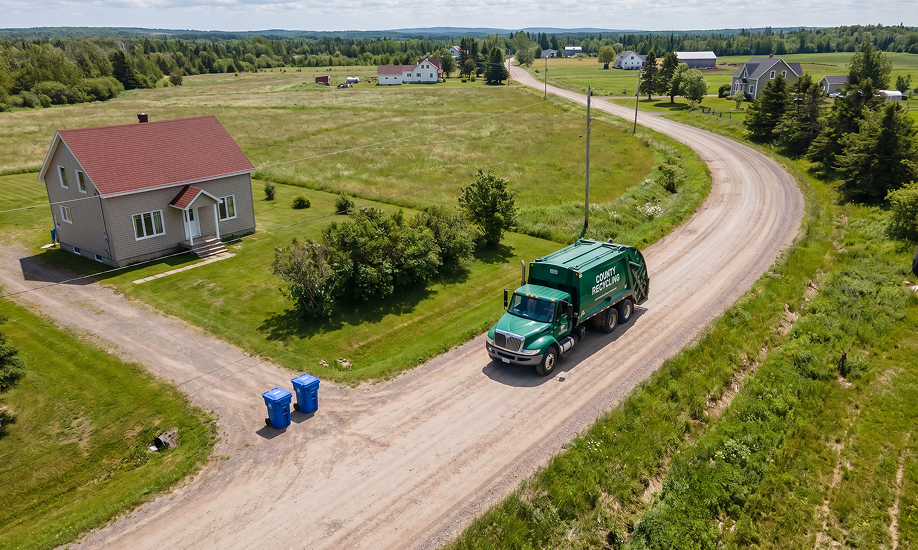
Done right, EPR can help expand access to recycling and reuse systems, reduce landfill waste and associated emissions, eliminate problematic plastics through better design, and create new economic opportunities across supply chains and local communities.
The window for moving from patchwork progress to systemic change is narrowing. If we get EPR right at the national level, we can move beyond simply managing waste—and begin reducing it at the source.
WWF has advocated for a federal EPR policy through congressional briefings and testimony before the Senate Environment and Public Works Committee, helping elevate the conversation around what an effective national framework could look like. WWF has also advocated for EPR policy at the state level to inform a national framework.