
Why Addressing Plastic Waste Requires a National Framework
No single company, community or consumer can fix plastic waste alone. Reducing waste and improving access to collection, reuse and recycling systems depends on connecting design, collection, markets and accountability.

Plastic waste is often treated as a problem that begins when someone throws something away. By that point, however, many of the most important decisions about what materials are needed in the first place, how much is needed, and whether they can be reused or recycled have already been made.
The material has been chosen. The package has been designed. A reuse option either exists or it does not. A community either has collection access, or it does not. A recycler can either sort and process the material or not. And there is either a market for that recovered material, or there is not.
No one person, company or community controls all of those choices. They are spread across a connected system: material suppliers, packaging manufacturers, brands, retailers, consumers, waste haulers, municipalities, recyclers and end markets. The challenge is not that any one part of the system is failing. It's that the system isn't designed to work together at the scale needed to reduce unnecessary plastic from being made in the first place, keep more materials in use and prevent plastic from entering nature.
The numbers show how far the system is from keeping up. According to recent national plastics data, of the estimated 44 Mt of plastic waste managed in the U.S. in 2019, approximately 86% was landfilled, 9% was combusted and only 5% was recycled. For policymakers, the takeaway is practical: better results require policy that connects decisions across the full life of a package, from design and material choice to use, collection, reuse, recycling and end markets.
In this post, we map where the system gets stuck and why a national framework can help connect responsibility, investment and incentives at scale.
Where Progress Gets Stuck
A circular system sounds simple: use materials, recover them and put them back to work. In practice, that only works when the rules, infrastructure and markets point toward the same outcome.
The Recycling Partnership (TRP) describes an effective residential recycling system as one in which five elements work together: packaging is recyclable, households have access, residents participate, facilities can process the material and end markets can use what is recovered.
Today, those pieces often do not line up. In its 2024 State of Recycling report, TRP found that only 21% of U.S. residential recyclables are being recycled, with most losses happening before materials ever reach a recycling facility. A package can be recyclable on paper and still never make it through the system.
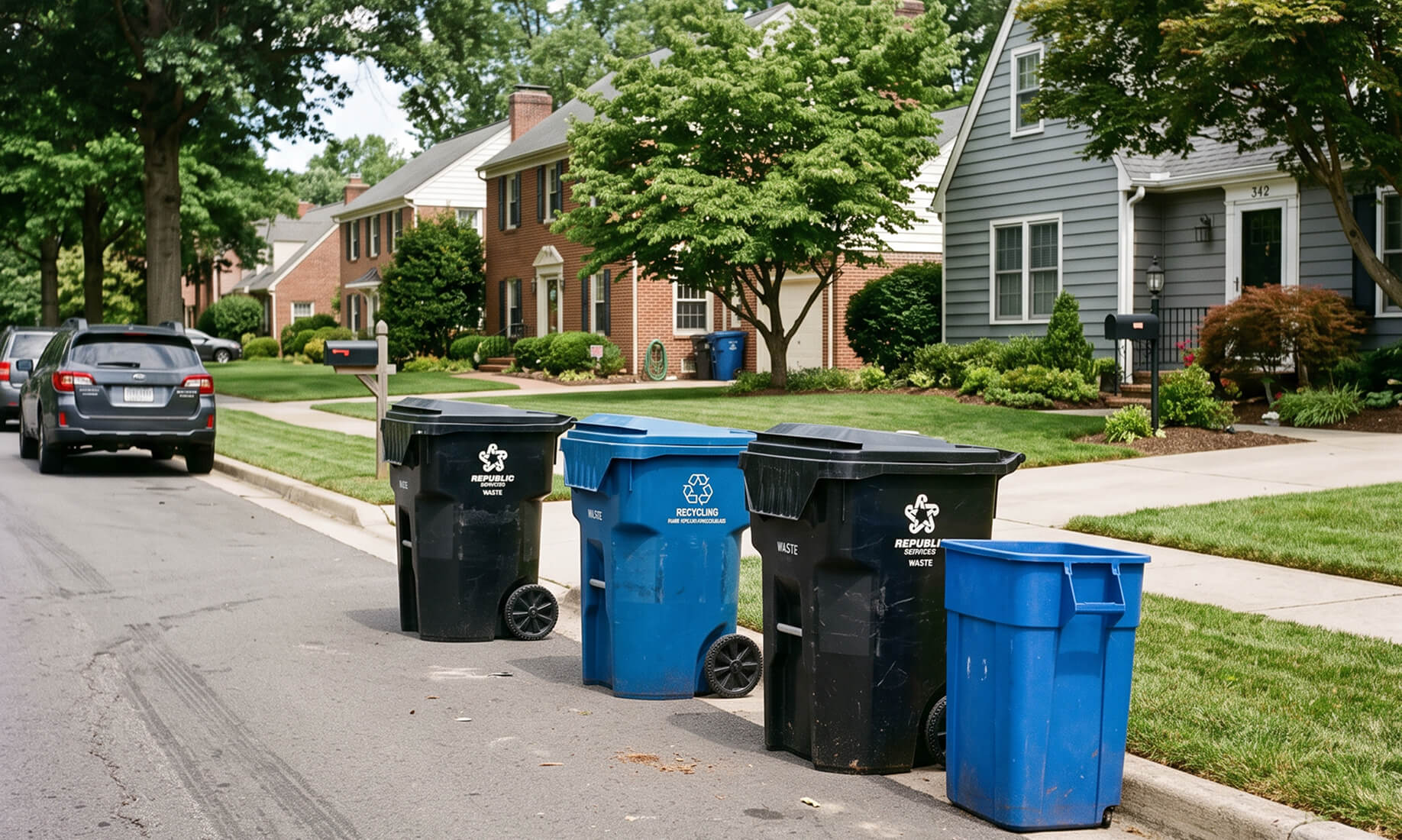
When one part of the system is missing what it needs, recyclable packaging can still become waste. A company can design packaging to be recyclable or reduce plastic use, but that does not guarantee the package will be collected in every community. Reuse models may struggle if return, cleaning and refill infrastructure is not in place. A city can expand recycling access, but that does not guarantee materials can be sorted efficiently or sold into strong end markets.
Take a flexible plastic pouch. It may use less material than a rigid container, but that does not mean the system can recover it. If local programs do not collect it, sorting facilities cannot separate it, recyclers do not have a pathway to process it and end markets do not exist for the recovered material, the package is likely to become waste.
This is not just a hypothetical problem. EPA data on plastic bags, sacks and wraps show how difficult it can be to recover flexible formats at scale. In 2018, the U.S. generated 4.2 million tons of those materials and recycled about 10% of them. Using less material matters. But it only solves part of the problem if the system cannot recover what remains.
What Happens When the System Works Together
When the system is aligned, each part can reinforce the others, reducing material use from the start. Better packaging design makes collection and sorting easier. Stronger collection systems give recyclers more reliable material. Better reuse and recycling infrastructure gives companies more confidence to invest. Stronger end markets make recovered materials more valuable. Common rules reduce avoidable complexity and help the system scale.
Voluntary action remains important, but it cannot reliably bring all major actors into a common structure or ensure that the system is funded and accountable at scale.
That is where a national framework can matter. At scale, it can do what voluntary action usually cannot: define who is responsible, establish common rules, create stable funding and measure whether materials are actually collected, recovered and returned to use.
Extended Producer Responsibility (EPR) for packaging is one way to do that.
In a well-designed packaging EPR system, companies that place packaging on the market help fund the systems needed to collect, sort, reuse, recycle and manage that packaging after use. Fees and incentives can be structured to reward better design, material use reduction, reuse and refill models, recycled content and packaging that is easier to recover. The goal is not just to manage waste better. It is to create less waste and keep more materials in use.
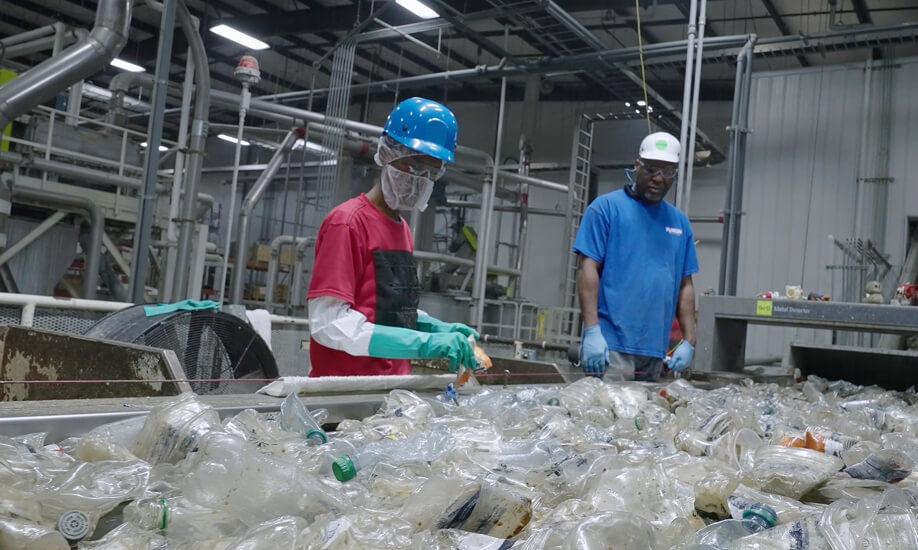
British Columbia shows what coordinated producer responsibility can look like in practice. Through Recycle BC, a not-for-profit organization responsible for residential packaging and paper recycling across the province, the system is funded by businesses that supply packaging and paper products to residents. In 2025, Recycle BC collected and managed more than 200,000 tonnes of residential packaging and paper, reported a 78.5% recovery rate and provided access to nearly all households in the province.
This example also shows why different materials need different pathways. Recycle BC has created dedicated collection pathways for flexible plastics, including depots and retail drop-off locations, for materials many systems struggle to collect and process.
The lesson is not that any one model can be copied exactly. Local needs still matter. It's that aligned responsibility, stable funding and coordinated management can change how a system performs.
National harmonization does not mean every community uses the same program. It means common rules and expectations, with room for states and communities to meet local needs.
The Question for Policymakers
Once plastic waste is understood as a system problem, the policy question changes.
It is no longer enough to ask how to collect more material after it becomes waste. The harder question is how to build a system that reduces unnecessary waste in the first place, makes reuse and recycling easier, gives communities better tools and creates real markets for the materials we recover.
That means asking practical questions. Are incentives pointing in the same direction? Are communities getting the infrastructure they need? Are businesses getting clear enough rules to invest? Are consumers getting systems they can actually use? Are recovered materials finding their way back into productive use?
A well-designed policy framework will not fix every challenge on its own or automatically deliver less waste, better access and more material kept in use. But without a framework that brings the system together, the parts too often continue moving separately and out of sync.
That is the role policy can play: not to replace what companies, communities and consumers are already doing, but to make those efforts connect and add up to less unnecessary plastic, more materials kept in use and less plastic entering nature.