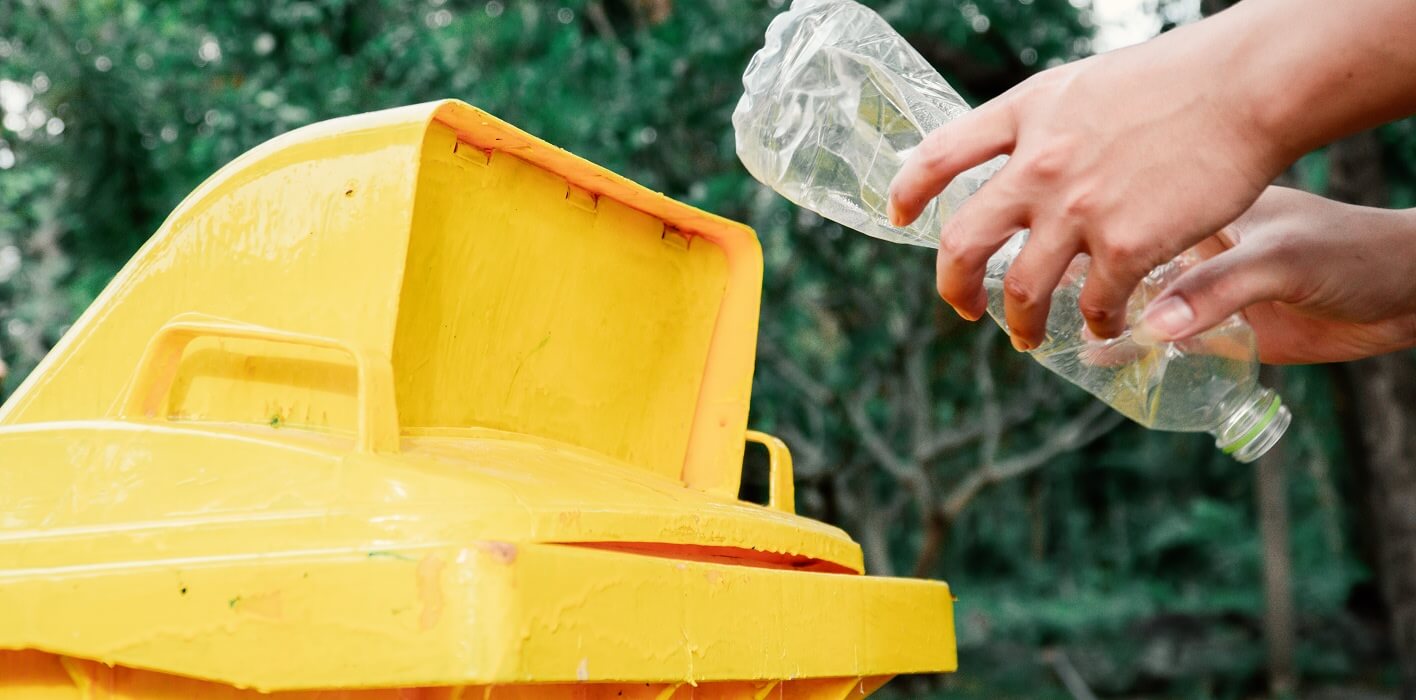
The Two Sides of Plastic
Medical supplies
Food storage & transportation
Synthetic fabrics
The Scale of the Crisis Is Huge
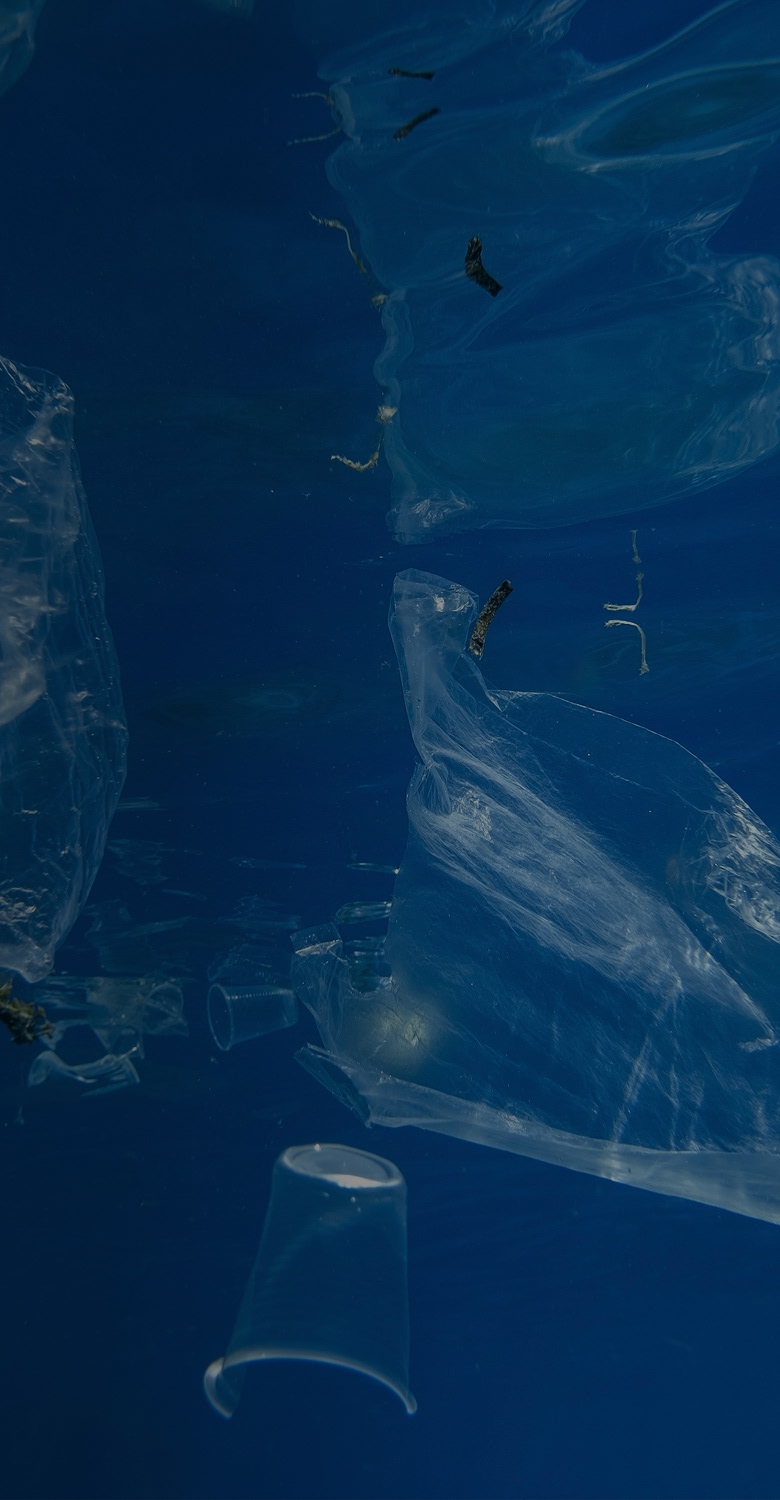
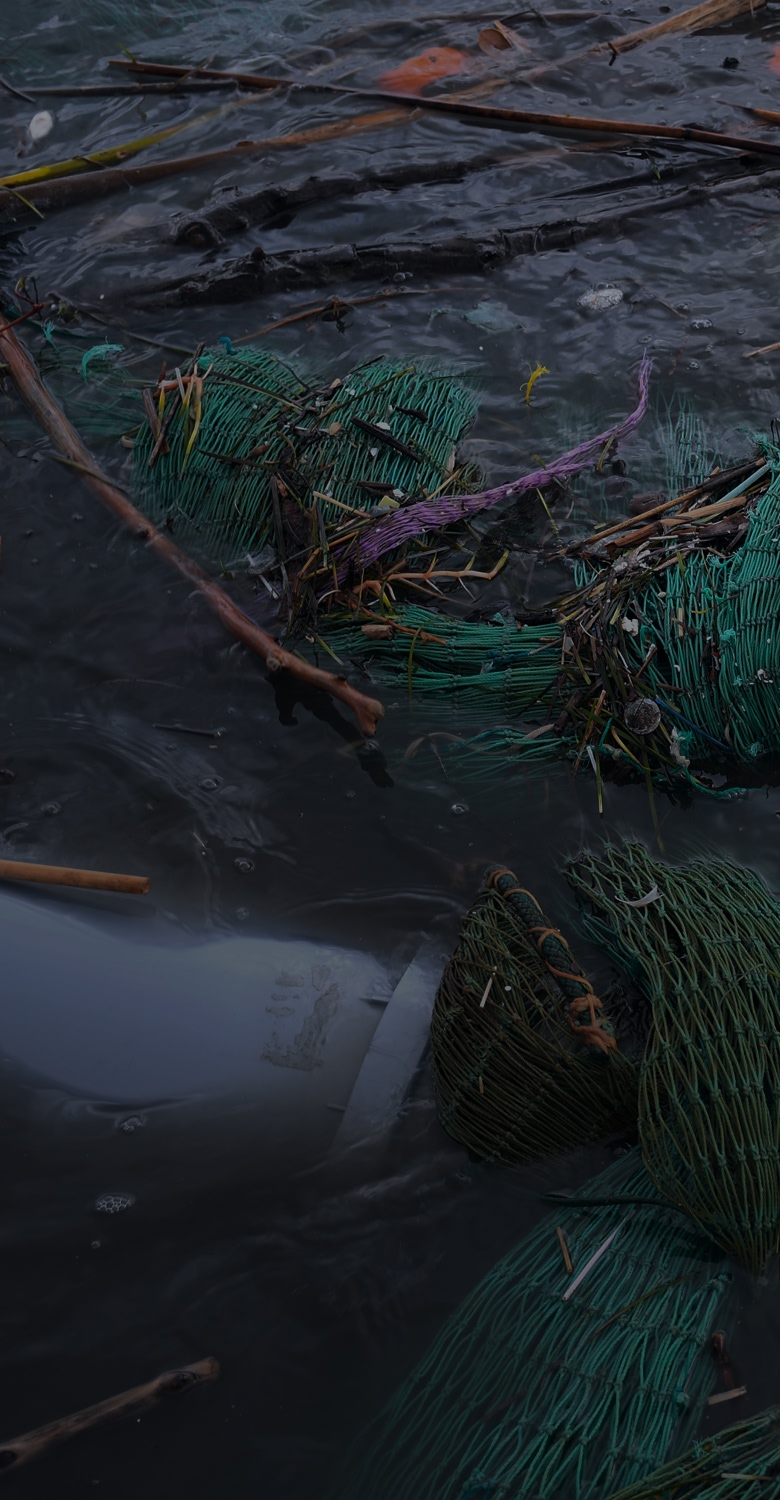
1,000 rivers are responsible for 80% of the plastic entering the ocean.31 Most of these rivers are in developing countries that lack sufficient waste management infrastructure.
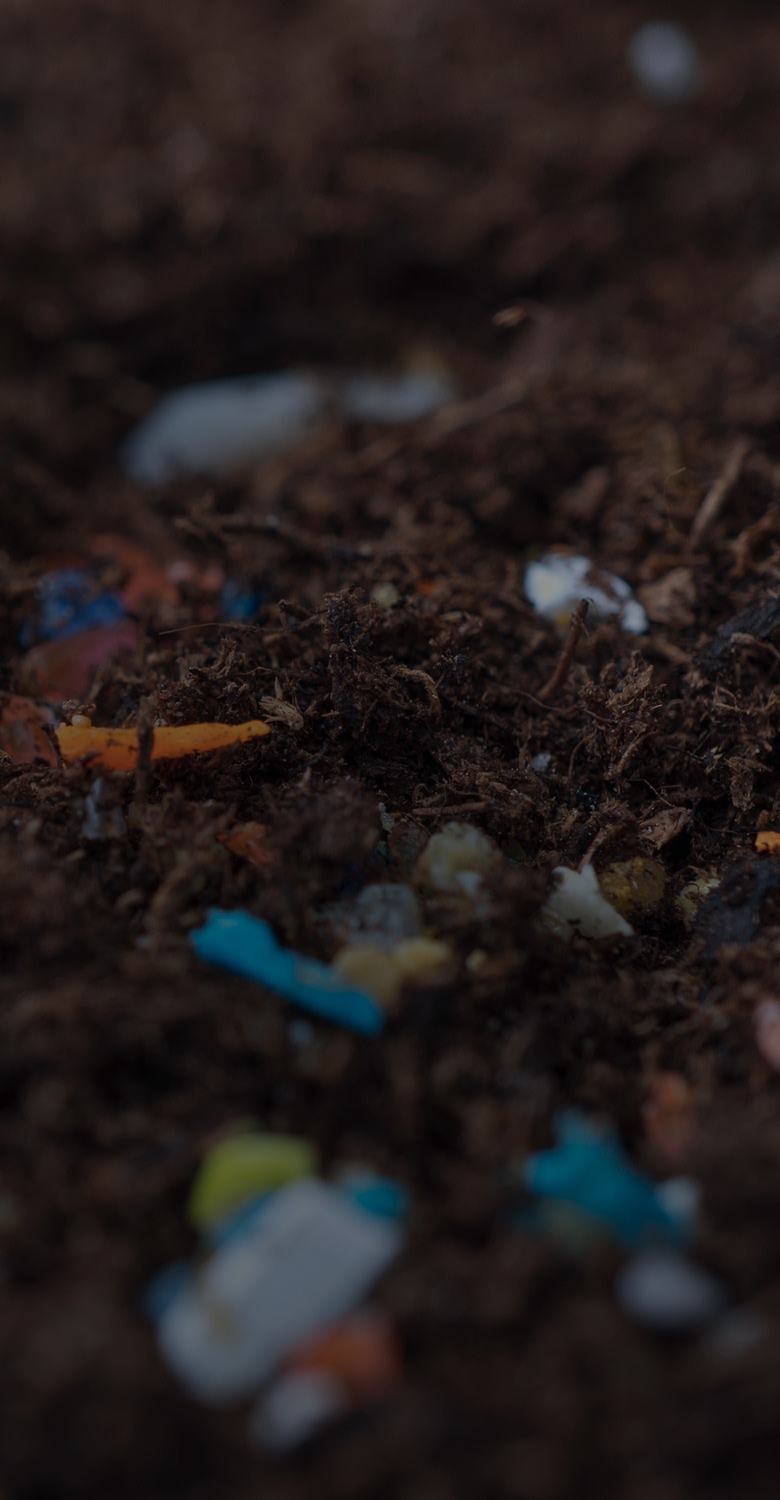
Recent studies suggest the average person can ingest between 75,000 - 200,000 microplastic particles per year. Microplastics enter our bodies through the food we eat, the air we breathe, and the water we drink.36


Searching for Solutions
Why not just ban plastic?
Because plastic is uniquely lightweight, durable, and cost-effective — crucial for things like medicine, food safety, electronics, and infrastructure.
Why not just switch to plastic alternatives?
Alternatives like glass, aluminium, or paper may have a higher carbon footprint across their lifecycle and often require more energy to produce and transport.
Why not just recycle all plastic?
Most plastic today isn't recyclable due to contamination, resin complexity, and poor economics. We need innovation and regulation to make plastic more recyclable and circular. We also need to prioritise refill and reuse solutions to keep plastic out of the waste stream altogether.
So, What Can We Do?
Solving the plastic paradox requires a collective effort between governments, businesses, and individuals. Together, we must shift to a circular economy that prioritises reduction, reuse, and responsible recycling.

Governments
Create new policies to better regulate plastic use and disposal and incentivise recycling programmes.