Getting to the Heart of the Matter: Medicine and Microplastics Research in Italy
Plastic Pollution on Our Plates
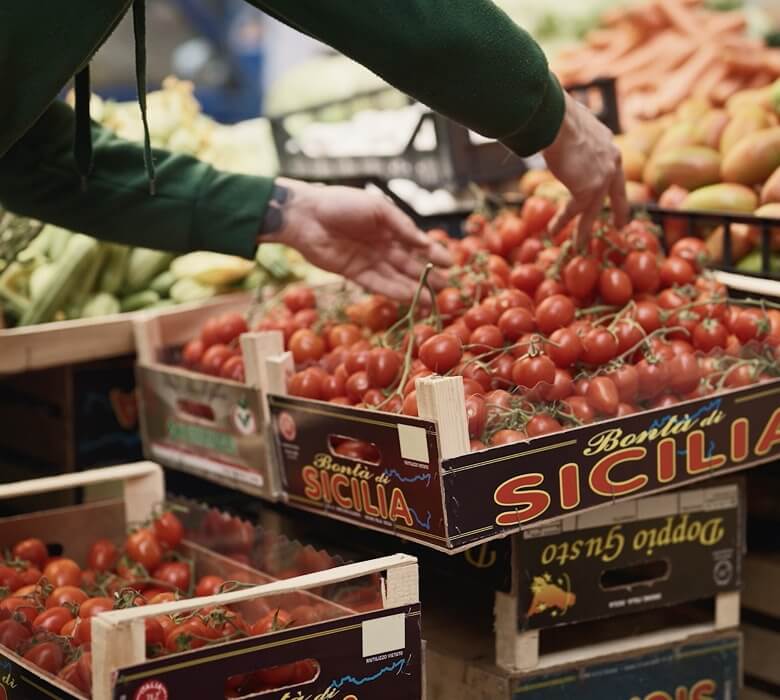
Plastic pollution is no longer confined to oceans and landfills—it’s finding its way into the foods we consider healthy. Microplastics are contaminating the water supply and being absorbed by crops through irrigation systems. Studies have shown that vegetables, fruits, and even grains can carry traces of these plastics, meaning the impact of plastic pollution now reaches our dinner plates. What was once thought of as clean and nourishing food is increasingly at risk of carrying harmful materials from our plastic-filled environment.

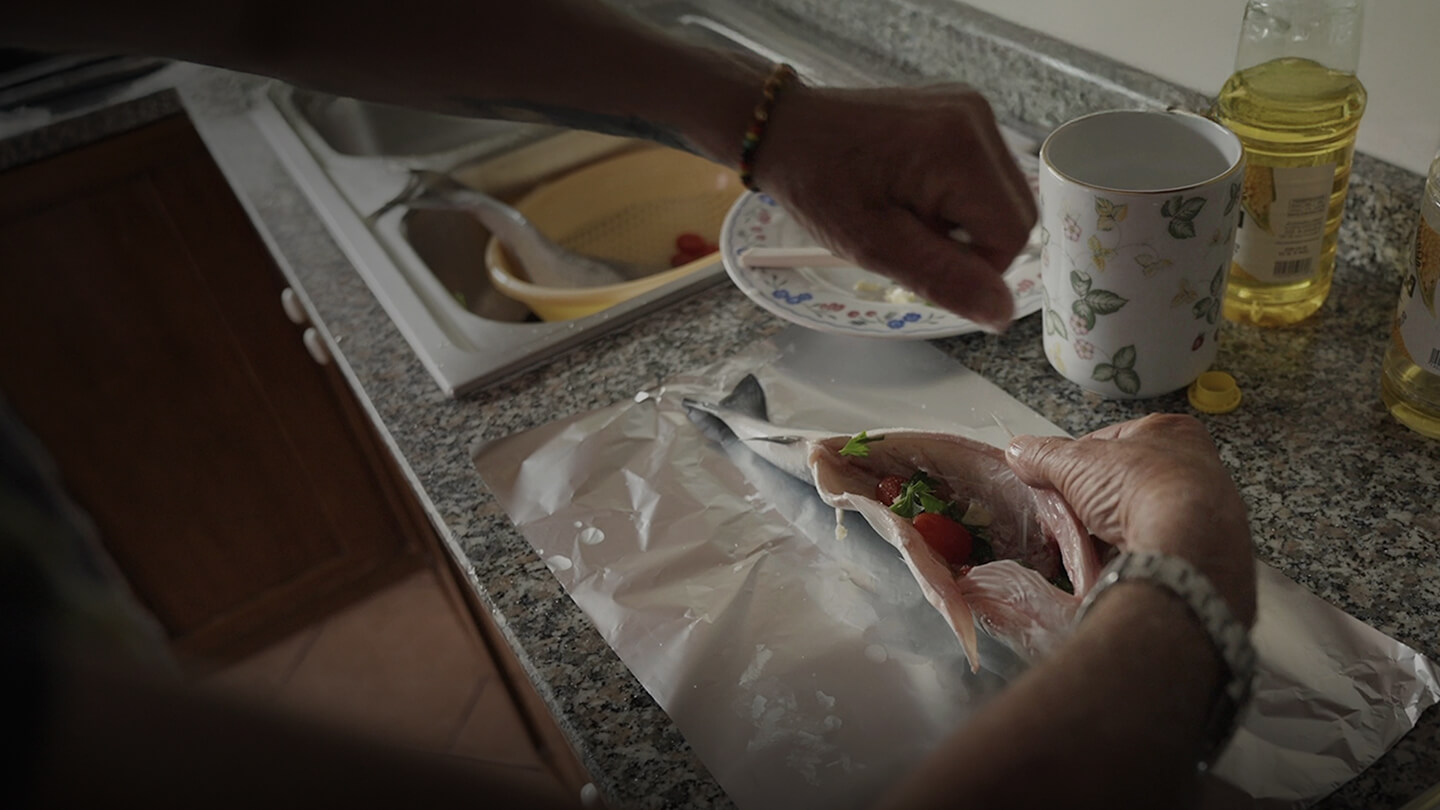
“I have always eaten healthy foods, fish and vegetables. When Dr. Marfella told me that I had a heart problem, I was devastated.”Salvatore D’Agataretired municipal worker
“Microplastic contamination is not simply linked to the ingestion of food from the sea but can also come from other sources.”Raffaele Marfella, MD, PhDFULL PROFESSOR OF INTERNAL MEDICINE | UNIVERSITY OF Campania
A Silent Invasion: Plastic’s Potential Impact on Health
Researchers at the University of Campania are revealing a growing concern: plastic exposure may pose risks to our health, particularly affecting our heart. A study from Italy is among the first to explore how microplastics can infiltrate our bodies, entering the bloodstream and affecting us in ways we are only beginning to understand. This film looks closely at the growing concern of the different ways plastic pollution affects us.

“The research project was born by chance. We were having a coffee, discussing what could be done, how plastics could enter our body and where they could accumulate. From there our study started.”Pasquale Iovino, PhDProfessor of environmental chemistry | University of Campania

“For the first time we have observed and associated the fact that the presence of plastic is associated with disease.”Raffaele Marfella, MD, PhDFULL PROFESSOR OF INTERNAL MEDICINE | UNIVERSITY OF Campania
Breaking the Plastic Cycle
Plastic pollution is infiltrating our lives from every angle – through the food we eat, the water we drink, and even the air we breathe. More research is required to examine the potential health risks. In addition, to protect both ecosystems and threats to human health, we need stronger policies to reduce plastic production, regulate its use, and invest in safer alternatives. The time for small fixes has passed – systemic action is essential.

Humans are estimated to inhale up to 22 million micro/nanoplastics annually.

“It is important to make policies for future generations, to try to reduce the use of plastic. Small steps.”Raffaele Marfella, MD, PhDFULL PROFESSOR OF INTERNAL MEDICINE | UNIVERSITY OF Campania