Saving Maine’s Lobster Coast: A Community’s Stand Against Plastic Waste
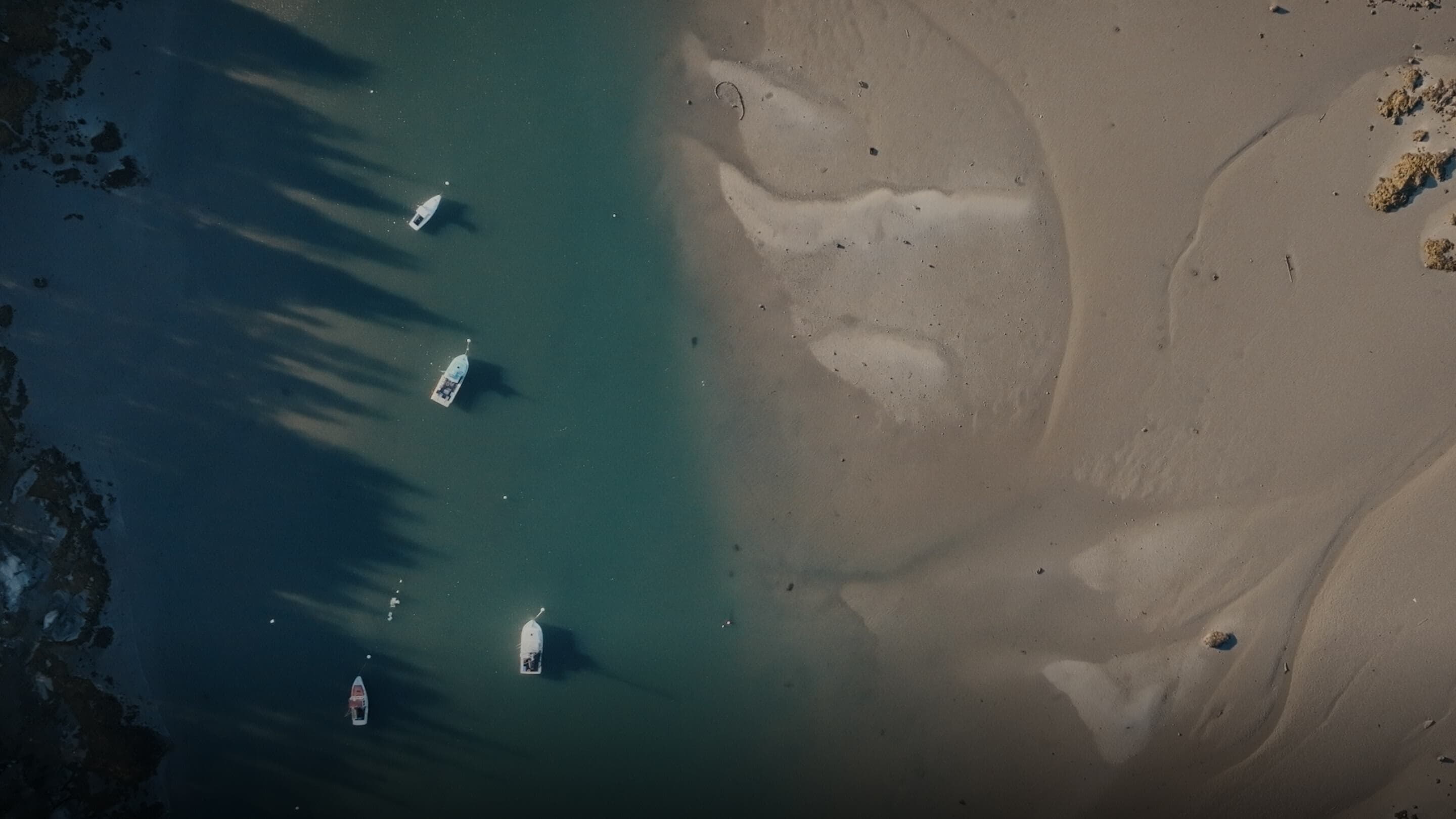
Along Maine’s lobster coast, fishermen and scientists are taking steps to fight plastic pollution and protect their ocean, industry, and way of life.
The Ubiquity of Microplastics
Wherever scientists look, microplastics are found. From tire fragments to synthetic microfibers shed by textiles and ropes, these pollutants are now a constant presence in marine ecosystems. The most prevalent type found in coastal environments are microfibers—easily overlooked but alarmingly pervasive.
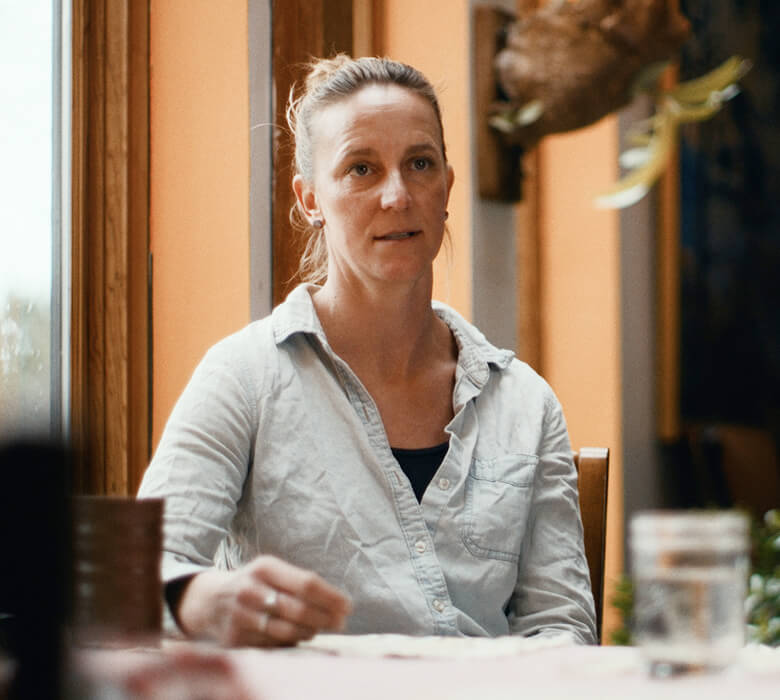
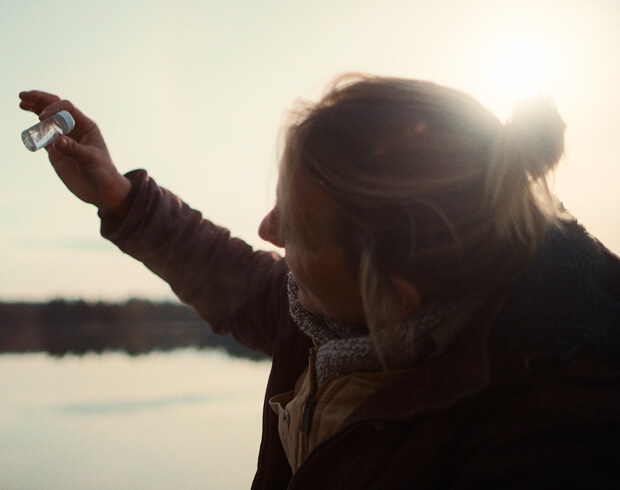
"One of the largest pollution problems is microplastic. There is no longer any place in the world that can be considered pristine."Abby BarrowsMicroplastics researcher
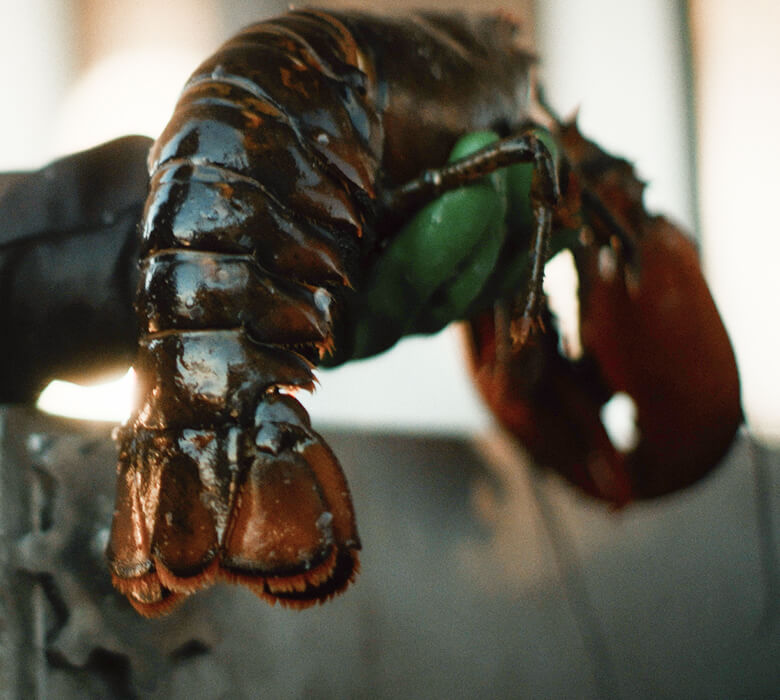
"Studies have found that microplastics get lodged under the carapace which potentially creates problems for the process of molting."Abby BarrowsMicroplastics researcher
Impact on Lobsters and the Economy
This pollution is not without consequences. Research suggests that microplastics may be harming lobster larvae, reducing survival rates and potentially affecting the long-term stability of the fishery.
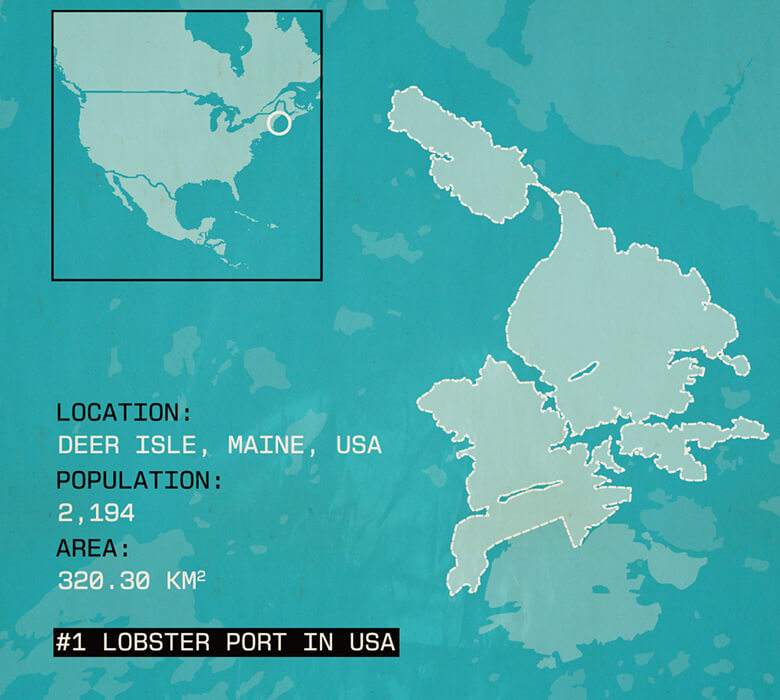
Maine’s Economy at Risk
For generations, lobstering has been the lifeblood of people all over coastal Maine, shaping towns and providing for families. But the threat of plastic pollution could change the fabric of these storied communities. Lobstermen fear a future where plastic pollution could affect the viability of lobster harvests. If that happens, it's not just the lobstermen who will feel the pinch; the ripple effect could forever alter the entire fishing and aquaculture industries.
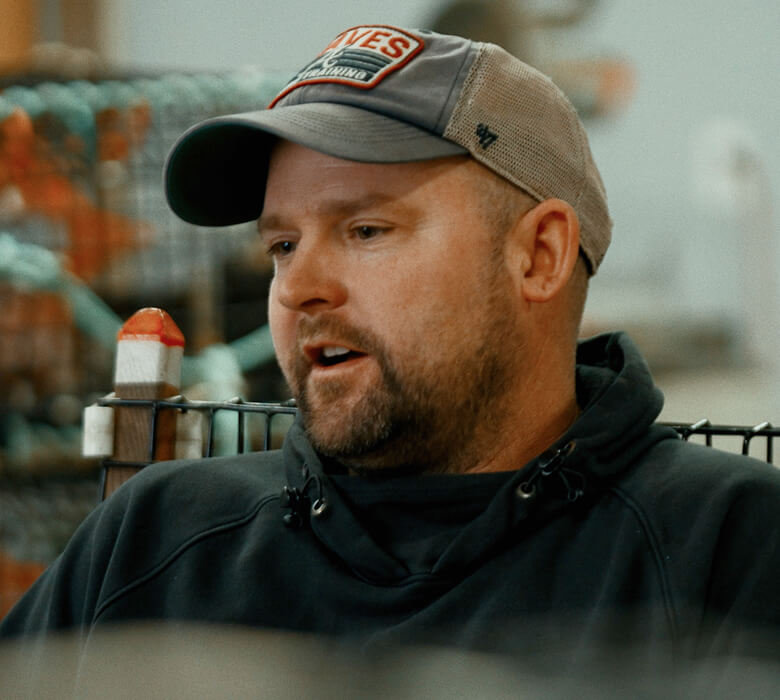
"Lobster is one of the most sustainable fisheries in the US and the world. It also teaches your kids how to work hard. I don’t think we get enough of that in life."Joel BillingsLobster Fisherman
Risks to Us
The danger isn’t limited to marine species. Whether in land-based agriculture or seafood, plastic particles can make their way into the food chain. These particles may carry microbes on their surfaces that potentially could increase the risk of foodborne illnesses.
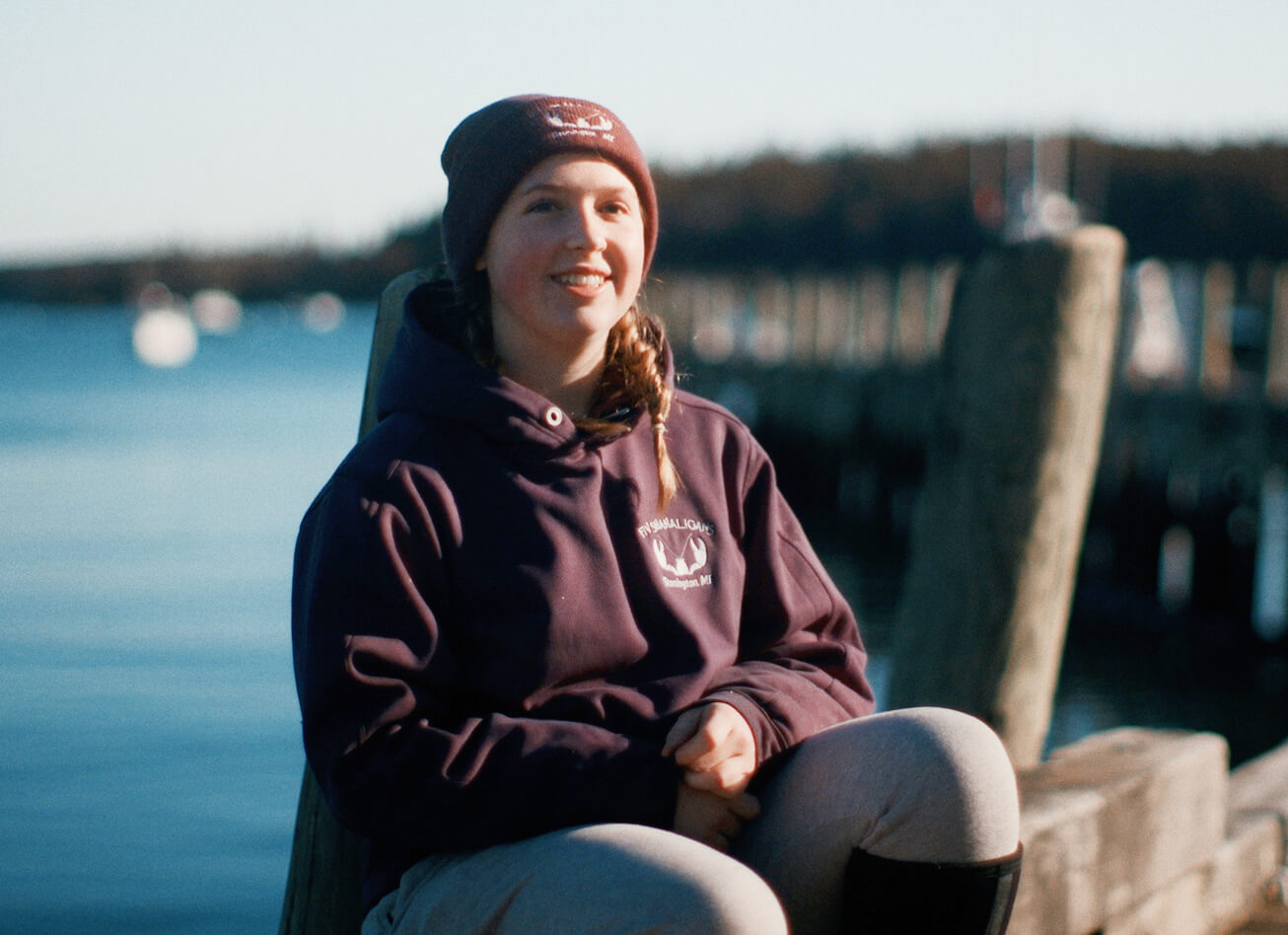
“It’s just kind of scary that my generation is going to have to deal with it and somehow fix it.”Hannah BillingsDaughter of Lobster Fisherman, Joel Billings
The Need for Regulation
Experts argue that the plastic crisis has become a “capital W – Wicked problem,” exacerbated by a lack of accountability and regulation. Everyday products come smothered in plastic – often needlessly.
Without firm rules, it's a free-for-all. Producers are not held accountable for the plastic waste their products generate. That’s why scientists and environmental advocates are pushing for Extended Producer Responsibility (EPR) laws. These regulations would shift the burden of plastic waste management from consumers to the corporations that manufacture plastic products.
The science is clear: plastic pollution threatens marine life and economic stability
We don’t need to wait for more data to act. With EPR legislation and better regulatory frameworks, we can begin to rein in the plastic problem and safeguard our oceans—and our communities—for the future.