
The Economic Case for Turning EPR Investment Into Results
A new economic analysis suggests the question is not only what packaging EPR might cost, but whether it can turn producer funding into better access, stronger infrastructure, local economic activity and measurable results.

In our previous post in this series, we looked at what Americans want from packaging waste policy: less waste, clearer rules, shared responsibility and a system that works better. In this post, we look at what it could take to build that system, and what communities, businesses and local economies could gain if it is designed well.
Any serious conversation about packaging EPR has to acknowledge costs, access and affordability. Consumers are sensitive to prices. Businesses are watching input costs. Policymakers are rightly asking what a new system would require. Some producer costs may ultimately be reflected in prices, which is why design, transparency, and accountability matter.
Cost, however, is only one part of the economic story. Packaging waste policy affects more than what goes in the bin. It shapes whether communities have access to recycling and reuse systems, whether local governments have the resources to manage growing waste streams, whether businesses have confidence to invest and whether valuable materials can move back into productive use.
That's where a new economic analysis from RTI International changes the frame. RTI's analysis does not answer every policy design question. It does something more specific: it shows what a system buildout could require and what broader economic activity could follow. It gives policymakers a different kind of evidence: not a guarantee of what any one policy will deliver, but a clearer picture of what communities, businesses and local economies could gain.
In that frame, a better packaging waste system is not only about managing waste. It is about rethinking and redesigning products, building stronger infrastructure, expanding access, supporting local economic activity and creating a system that delivers practical value.
Turning System Gaps Into Investment
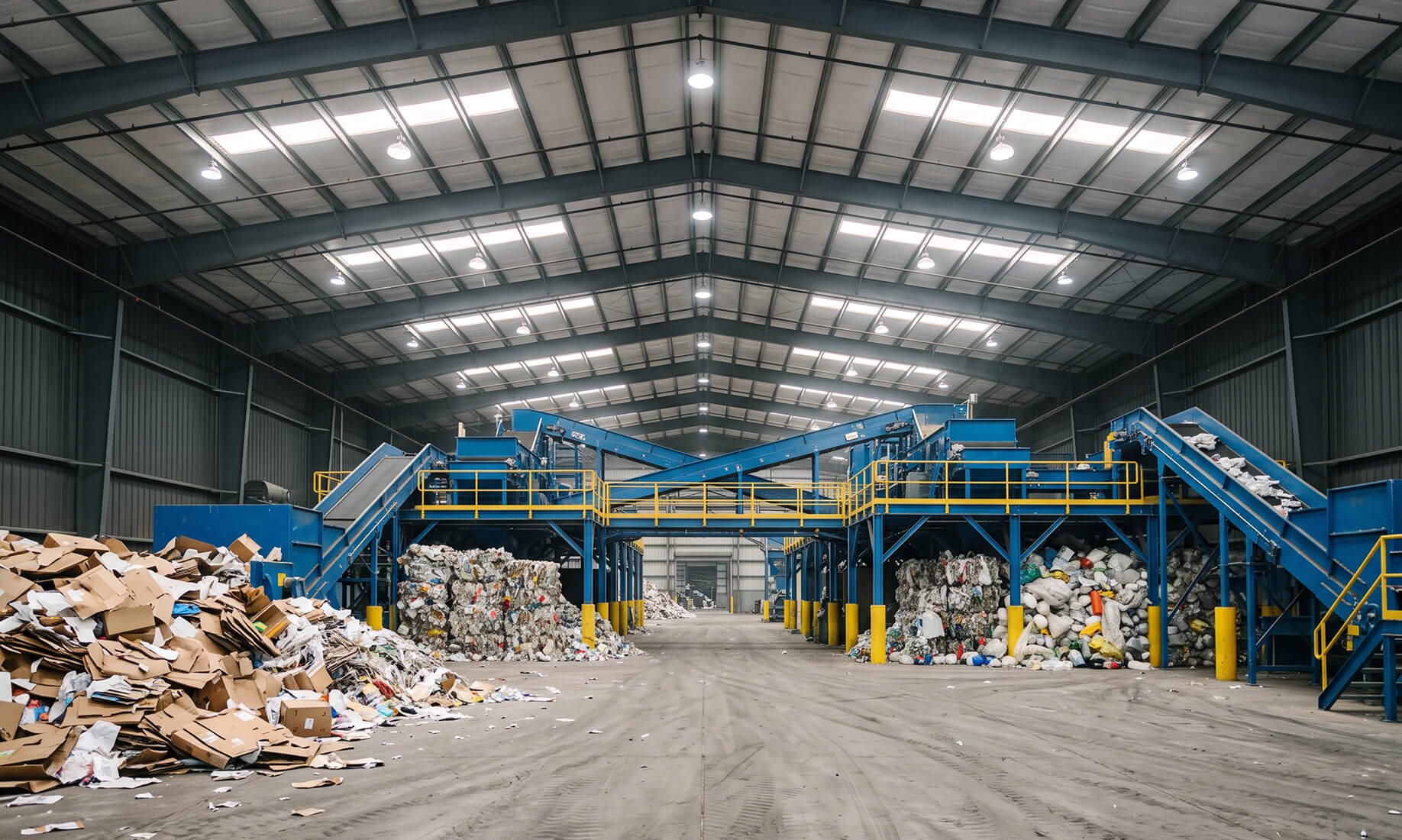
A more effective packaging waste system is built through practical pieces: collection access, drop-off sites, trucks and routes, sorting equipment, MRF upgrades, public education, reuse systems, data, service contracts and stronger markets for recovered materials.
The challenge is that those pieces do not always connect today. The Recycling Partnership's 2024 State of Recycling report found that only 21% of U.S. residential recyclables are being recycled, with most losses happening before materials ever reach a recycling facility. In other words, the system is not just losing material at the recycling facility. It is losing material across the handoffs between access, participation, collection, sorting and markets.
RTI's model helps translate that problem into a buildout question: what would it take to close more of those gaps? The analysis looks at a national EPR scenario in which producers help fund core elements of the recycling system, including collection, sorting, processing, education and end-market development. It then connects those system needs to infrastructure investment, labor demand and broader economic activity.
Closing those gaps requires investment. But when investment goes into infrastructure, education and operations, it also supports local economies.
Under the scenario RTI analyzed, infrastructure and education investments could support 275,500 job-years over the first five years across the U.S. The same modeled investments could generate $18.8 billion in labor income, $30.7 billion in value added and $2.8 billion in state and local tax revenue. The value of that investment depends on what it delivers: more access, better infrastructure, stronger end markets and more material kept in use.
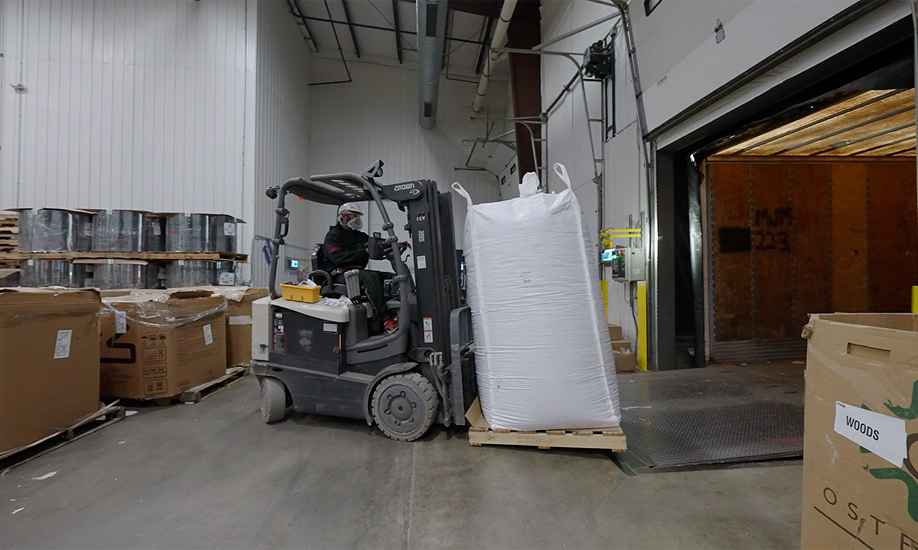
RTI also modeled what happens after expanded systems are operational. Once the initial buildout is complete, the analysis projects more than 36,000 direct operational jobs annually in implementation and operations, with additional indirect and induced jobs supported across the broader economy. These are the jobs that make a modern recycling and reuse system run. They include collection, sorting, processing, maintenance, fleet repair, management and administrative support — the work needed to keep a more modern recycling and reuse system running.
How State Needs Shape the Buildout
RTI's state examples make one point clear: the buildout would not look the same everywhere. A dense city, a rural county, a tourism-heavy region and a fast-growing suburban community may all need different things. Some places may need more curbside access. Others may need drop-off sites, transfer capacity, hub-and-spoke systems, new or upgraded material recovery facilities, public education or better pathways for hard-to-recycle materials.
The RTI analysis used state-level examples to show how a buildout looks in real-world settings. For example, in West Virginia, the challenge is shaped by rural geography and low-density service areas. Collection can be more expensive, smaller facilities may need to store material until there is enough volume to move it efficiently, and lightweight plastics can be especially difficult to manage. RTI also found that 32% of households in the state lack access to recycling services.
In that setting, building a stronger system means improving basic access and moving material more efficiently. RTI modeled that raising West Virginia's recycling rate for EPR-covered materials from 10% to 40% would require two new hub-and-spoke systems, two additional material recovery facilities, more than $15 million in facility upgrades and equipment purchases, expanded public education and more curbside access.
The modeled impacts would also be local. RTI estimated the West Virginia buildout could support about 1,030 short-term jobs and generate roughly $152 million in early economic activity during the initial buildout period. Once operating, the expanded system could support about 940 ongoing jobs, contribute roughly $279 million annually to the state economy and generate about $19 million in annual state and local tax revenue.
Texas shows the same challenge at a different scale. The state already has a large recycling industry, a network of 31 MRFs in Texas and nearby states, and a strong base of manufacturers that use recycled feedstocks. But scale and access remain major challenges. Across all households, 36% lack access to recycling services, and the state loses about 3.2 million tons of recyclable material to landfills each year.
To raise Texas' recycling rate for EPR-covered materials from 17% to 47%, RTI modeled the need for two new hub-and-spoke systems, seven additional MRFs, more than $200 million in facility upgrades and equipment purchases, expanded public education and more access to curbside recycling.
Since Texas has more people, more material and a larger recycling economy, the modeled impacts are larger too. RTI estimated the Texas buildout could support about 3,420 temporary jobs during the first two years and about 3,360 ongoing direct jobs once operating. Expanded recycling activity could contribute roughly $1.1 billion to the state economy each year and generate about $96 million in annual state and local tax revenue.
The point is not that West Virginia and Texas need the same investments, but that both need a system that can match funding, infrastructure and implementation to local realities. A national framework can set clearer expectations and funding responsibility, but the work of building a better system happens community by community.
What This Could Mean for Local Governments
Today, cities and counties often carry much of the responsibility for waste and recycling systems, even though they do not control the packaging entering the market. They manage collection contracts, recycling access, public education, contamination challenges and disposal costs with budgets that are already under pressure.
In communities such as Thornton, Colorado and Miami County, Indiana, RTI modeled that a producer-funded system could reduce municipal waste-management costs by roughly 49% to 53%. Those figures should not be read as a guaranteed tax cut or automatic budget savings. They depend on policy design, implementation and local decisions. But they do point to something important: fiscal flexibility.
For a city, county or rural community, that flexibility could mean more ability to improve service, expand access, invest in education, delay future cost increases or direct limited resources to other local priorities. It could also help communities move from simply managing waste after it is created to building systems that recover more material and send less to landfill.
For policymakers, that matters because producer funding is not only about shifting costs. It is about whether local systems have the resources, structure and accountability they need to perform better.
Design Turns Investment into Results
The local examples point to a larger lesson: funding alone does not build a better system. The real question is whether that funding is directed toward the pieces that change performance — access, infrastructure, education, reuse and recycling capacity, stronger end markets and accountability for results.
That is where RTI's analysis helps sharpen the policy challenge. It shows what a system buildout could require and what broader benefits could follow. It does not prove that any EPR policy will automatically deliver those outcomes. That responsibility sits with policy design.
For policymakers, the challenge is ensuring that a new framework does more than shift responsibility or impose new costs. That means using incentives, standards and accountability to deliver the outcomes people expect: reducing unnecessary material use, expanding reuse and refill, increasing recycled content, improving packaging design and strengthening the systems that collect, sort and recover materials after use.
The test of packaging EPR will not be whether investment happens. It will be whether design turns that investment into results people can see: better access, stronger infrastructure, more materials kept in use and less waste entering the environment.